Buying property in Bulgaria can be a challenge as there are many houses for sale from very cheap to very expensive. Gauging the value of a place from another country is very difficult without knowing the comparison and many people over spend. This causes the next seller to expect too much and market their property too high. As a result, the Bulgarian market is flooded with overpriced and unsellable properties.
North versus South
When searching for a property, there is location to consider and your intention on whether to move to Bulgaria to live or simply as a place to escape and unwind. In some areas, such as the north of Bulgaria, there are a plethora of foreign-owned properties for sale. These were bought 10-20 years ago, in the boom of foreigners buying cheap houses, before Bulgaria joined the European Union. Materials and labour were much cheaper then and most people were just seeking holiday homes. After renovation the houses not lived in all year round and, as a result, not looked after or problems not dealt with. So when you visit you will find they do not look as good as the photos. Naturally sellers want to show their property in thee best light but often hide important downsides.
In the north of Bulgaria, the community spirit is said to be lacking and many villages have no locals living in them, or just a few old age pensioners. That said, if you are after being surrounded by your home country’s ethnic group, this is probably the best place to find your hideaway home. Though many still only come to Bulgaria for the summer months and in winter whole villages can be empty. It can seem ideal to be remote until something goes wrong and you need help.
The weather in the north of Bulgaria is not as Mediterranean-hot as the south and south east areas. closer to Turkey and Greece. Temperatures 10 degrees colder in winter make a lot of difference and experiencing a harsh winter without a close community to help and support can be very challenging.
Though in summer all of Bulgaria has been suffering water shortages as this is mainly due to old pipework that needs replacing. The water company is only willing to spend money on fixing leaks as they occur, especially where there are few people living and paying for water all year.
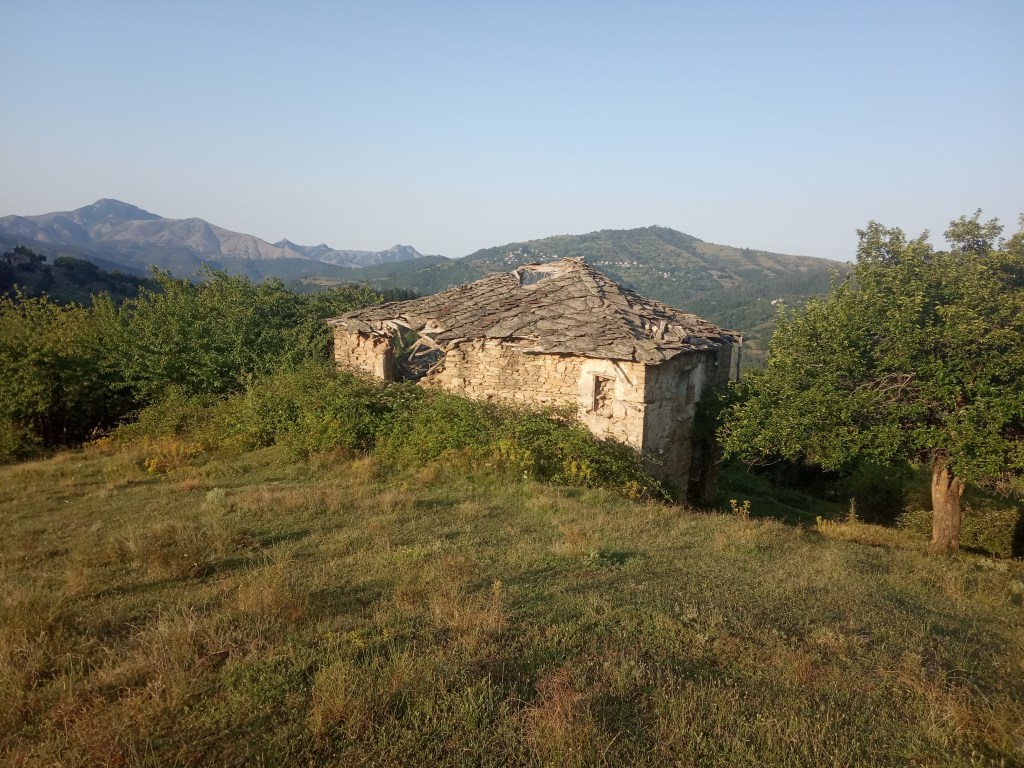
Unrenovated
Old derelict houses can look appealing because of a very low price tag and the feeling of wanting to save them. However, material costs have doubled and labour charges are steadily increasing, which means renovating can end up costing over 3 times the initial purchase price, and that’s just for basic living.
However, old houses with thick stone walls are the best for keeping cool in the hot summers and retaining heat in the cold winters. They are cleverly designed but work better with the addition of roof insulation and double glazed windows. Checking the roof for strong timbers and termite infestations is advisable. Slate roofs are adorable but weigh a lot more than tiles. and are prone to sliding downwards slightly every year due to the old method of mud as a fixer and insulator. These roofs are in constant need of attention and slate roofers are hard to find, so many replace with commercial roof tiles and you can purchase slate coloured tiles to give a similar effect.
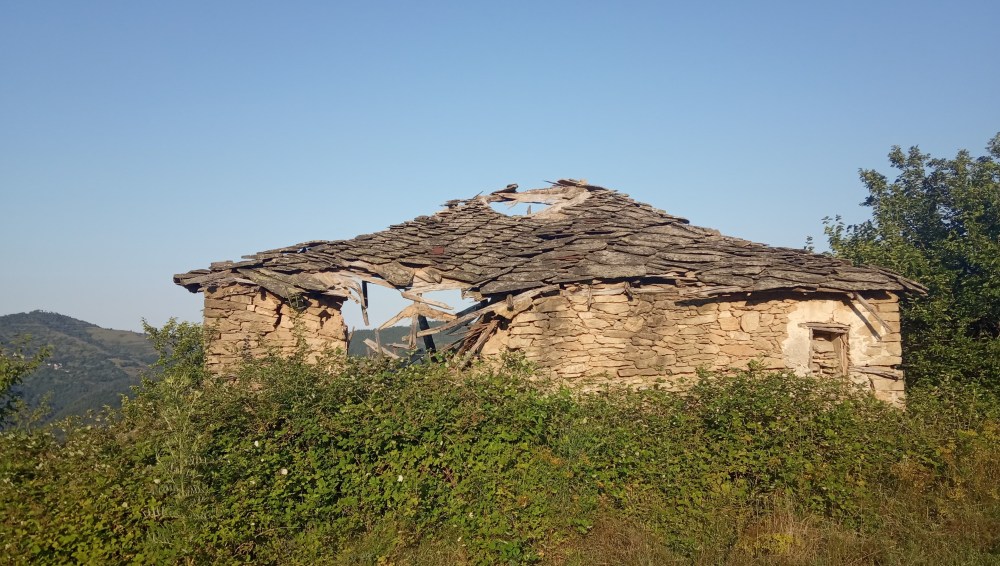
Renovating
If you choose this route, be prepared to get your hands dirty or spend a lot of money. Most Bulgarian houses were not built by architects and constantly face problems such as roof leaks, damp and subsidence from age, lack of rain water collectors and shallow foundations. Though most damp issues can be fixed with guttering and French drains to direct water away from the building, sometimes the original framework is too weak to fix. Demolishing the house to rebuild is also a cost to factor in so buying a plot with planning permission, will save you a lot of time and money in the long run.
Be warned, there are many ‘cowboy’ workers around. You do not need qualifications to be a builder in any country! Most of the houses have shallow foundations and stone bases to walls. The modern method is to cover in concrete but stone actually expends and contracts with water, sucking up from below ground level and needing ventilation to dry out. This can lead to external cracking and internal damp. Repointing or filling the gaps between the stone, with a lime and sand mix, is the advise from expert stone craftsmen.
Using someone with a good reputation is paramount but project managers are often let down by their workers as skilled Bulgarians move to other countries for higher salaries. Lack of work also leads to many willing to have-a-go to get paid. Ask any Bulgarian if they can do a job and they will insist ‘No Problem’. Unfortunately some see foreigners as rich and will overcharge. If you employ local workers, it’s advisable to have a good knowledge of the work involved and what you expect. Being on-site and having a good grasp of the Bulgarian language is paramount to avoid mistakes. The building standards in Bulgaria are different to most of Western Europe and the aesthetic styles are also different. Keep an eye on them or they will slip into doing what they know how to and not necessarily want you want.
Some feel they can live in a house while undergoing renovation but the dusty mess and stress involved can ruin the strongest of relationships. Also many have found work never gets completely finished. Doing the projects yourself often means a higher quality of work but takes a lot of extra time.
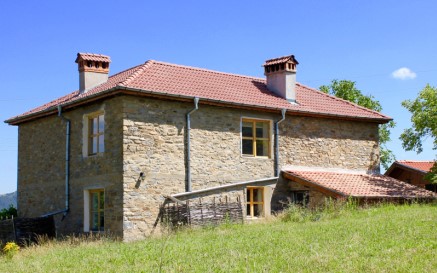
Renovated
Renovated properties have a higher value price tag but this is by far the best option if you want a place ready to move into. The prices in Bulgaria are more to do with people wanting back exactly the money they have spent, so its worth appreciating how much the cost of renovating a property have increased since the work was done. With rising material prices, it will cost you much more today and this is something very few realise. When you factor in how much has already been invested, the price is often justified.
Being able to assess work already done is never easy until you have lived in the property for a while and in all weathers. There aren’t many regulatory bodies like in western Europe and experts to assess are costly.
Location has an impact on price too and there is high competition for places near the sea or cities but immediate surroundings too. Agents very often only show photos that disguise how close the neighbours actually are, and this is often why renovated properties are not selling. Location and neighbours will affect your enjoyment of the house. and can waste your time if you travel a long way to view.
I will keep transparency and show/describe all aspects of surroundings in my house listings.
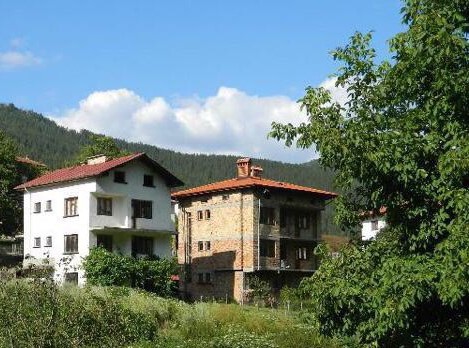
Part Renovated
Finding a property with your exact choice of décor is almost impossible. But unless you are a builder, having the basics already done is a really good idea. There are plenty of houses for sale in the intermediate stage, with roof, floors, windows and plumbing already sorted, leaving you free reign to choose tiles, fixtures and fittings.
New Builds
Starting from scratch means you have a blank canvas and can let your imagination run wild as long as you have a budget to match. Land is still relatively cheap in Bulgaria, again dependent on location, but the big costs are installing water and power, whether it be connecting to the grid or supplying your own with boreholes and solar panels. Though planning permission is the first hurdle and charges can vary greatly from region to region. New build houses are always made with modern materials unless you are willing to spend and prices aren’t too different to the rest of Europe as most good quality products are imported.
Most new buildings require air conditioning units. They are not pretty and use a lot of electricity but in the central lowlands of Bulgaria, they are a very useful installation and can be used for heating in the winter.
Alternative Energy
Due to its sunny weather and EU grants, solar panels are a growing industry in Bulgaria. The cost to install enough panels and batteries to power an average house, averaging 7kw, takes on average 7 years before you will realise a benefit. It’s worth considering if you are able to install yourself because of the rising cost of electricity. but bear in mind, the batteries sometimes only last 5-10 years. The panels themselves can break and not be recycled. Also the energy companies in Bulgaria, will not buy electricity back off you, unless you can supply them with 30kw of energy (1 panel = about 1kw).
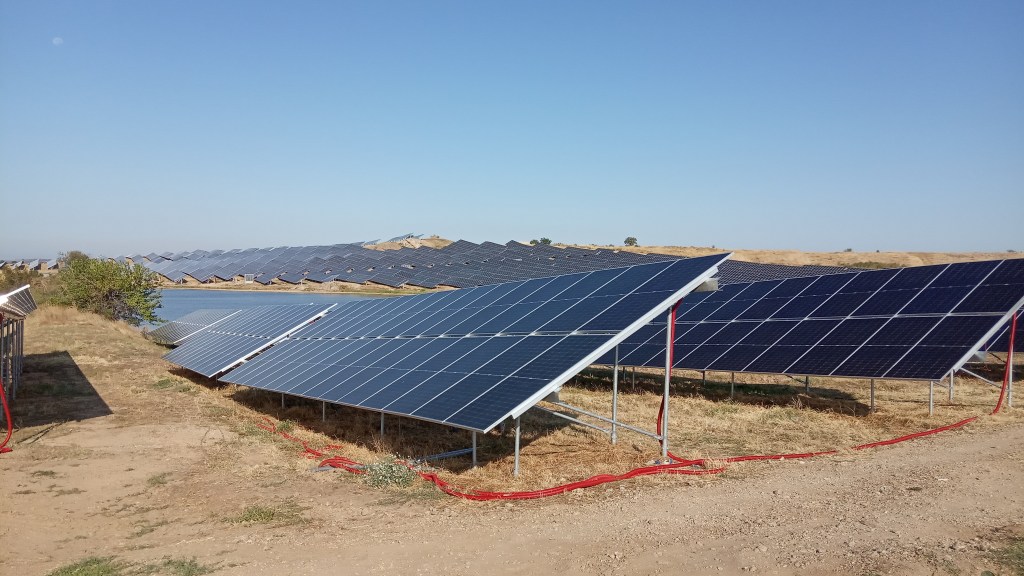
Wind farms exist in some parts but the noise of the turbines and the maintenance costs outweigh the benefits. Some people living off-grid choose have chosen this option is addition to solar.
Water
Water is a necessity of life. In the Rhodope mountains, the natural springs have been tapped and drinking fountains built in memory of loved ones. There are to aid humans as well as the free-roaming animals. In Bulgaria, a lot of parking places offer water and in a hot country, this is very valuable.
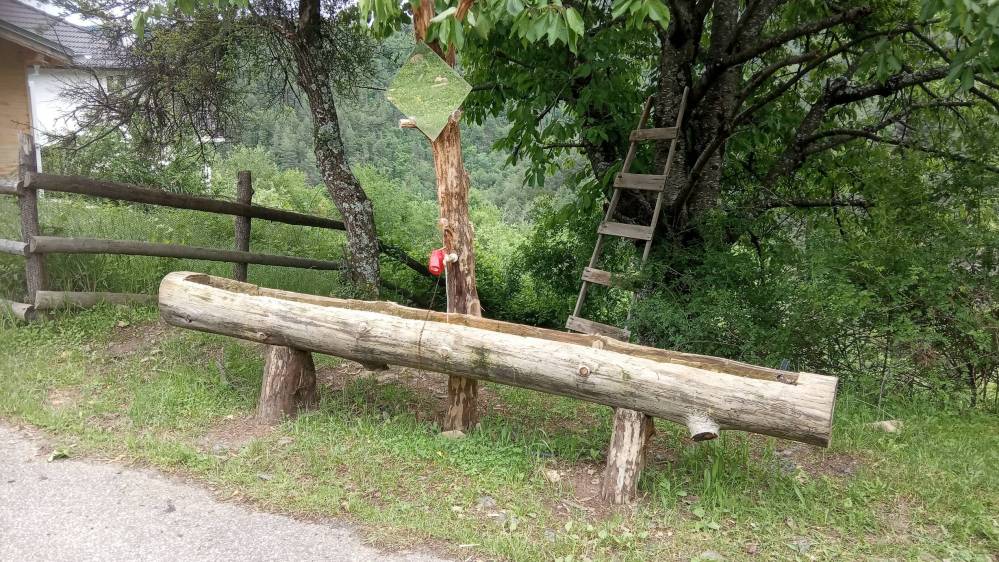
Most villages have access to piped water from deep underground wells or dams, though most don’t drink because of high levels of lime and calcium. Bottled water is very cheap in Bulgaria as there are many natural springs all over the country. Bulgaria’s main tourism for a long time was spa holidays and there are still many areas such as Hisarya, Mineralni Bani and Banite, where hotels offer water treatment healing holidays.
Several of the older villages, with few inhabitants, suffer from old pipework that needs replacing. As a result there are constant water shortages because roots find their way into cracks and swell to block the pipes. Laying of new pipes is the best remedy though distance affects the price.
A lot of homes in the countryside have their own wells and there are many companies who will drill to tap into the water table for you. Though this water is rarely drinkable, in a hot country, extra ‘free’ water is like gold for vegetable gardens.
Drainage
In cities and towns, there is a drainage system to connect to. However in villages, most still use outside toilets, which are no more than a hole in the ground connected to a cesspit or soakaway. In the north and larger inhabited villages, septic tank emptying is available.
Generally old houses have water plumbed inside the house just for cooking, washing and boilers. The drainage is to soakaway or the nearest ditch which westerners think unsanitary, yet it is only for grey water and the low numbers of people mean its not a huge polluting problem. Most homes are renovated to continue to use this method.
The cost of installing and emptying a septic tank is quite high in remote places, so when renovating, it’s advisable to split your plumbing system into grey water, from showers and washing, separate from toilet water. This reduces the size of soakaway needed.
Fuel
Electricity
Prices are constantly rising but are still cheaper than in the West of Europe.
Wood
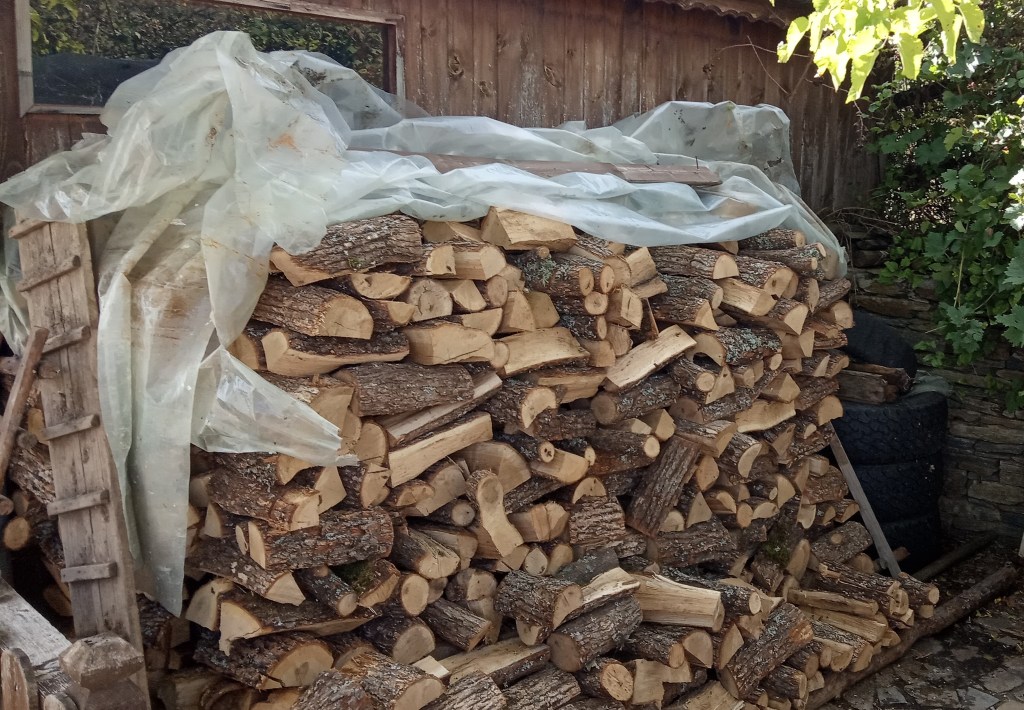
Wood burners are available with water jackets for heating radiators but even without these, wood burners are an efficient way to heat and cook. They do entail extra work of chopping, carrying and building fires and cleaning of the chimney flues. However, there is always a local with a chainsaw who will appreciate the bonus salary.
Gas
In Bulgaria, a lot of cars are gas converted and most petrol stations offer filling by gas, which is half the price of petrol.
Gas for the home is not piped but comes in bottles. When empty, they are swapped for full bottles at petrol stations.
Cultivation
One of the reasons I moved to Bulgaria was to improve my vegetable yield as the climate is ideal with a high number of sunny days. When you travel around Bulgaria, you will see, even in cities, everyone makes good use of outdoor spaces by growing as much food as possible. Produce is sold at the road side and the taste of home-grown far exceeds shop bought.
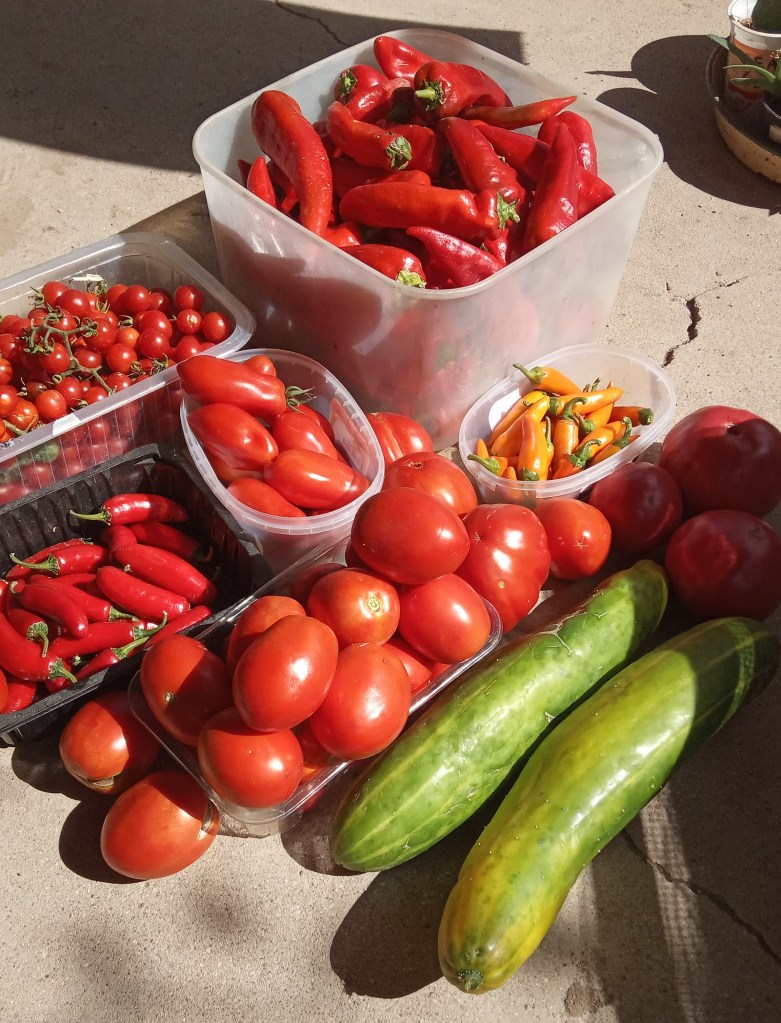
There are many websites offering advice and neighbours are more than happy to show you how, though be warned, Bulgaria used to be organic by default as in communist times, chemicals were not available. However capitalism has brought commercialism and lately the elderly have started to use chemicals, amazed by the size of their plants but not realising the loss of quality.
Internet
Bulgaria is known to have exceptional internet connection. In cities, fiber-optic cables are installed and in rural places, the mobile internet service with a router, is very good and fast. There are a selection of mobile providers as well as satellite internet companies for the few areas out of range. Starlink is one that provides the best bandwidth in even the most remote places but is the highest priced.
 Hideaway Homes in Bulgaria
You must be logged in to post a comment.